| Buffalo Grove, IL| Licensed Insured Team| 24/7 Emergency Line

Home » Blog » 7 Warning Signs Your Sewer Line Is Failing

7 Warning Signs Your Sewer Line Is Failing

By Sewer Line Repair Specialists · September 2026 · Buffalo Grove, IL

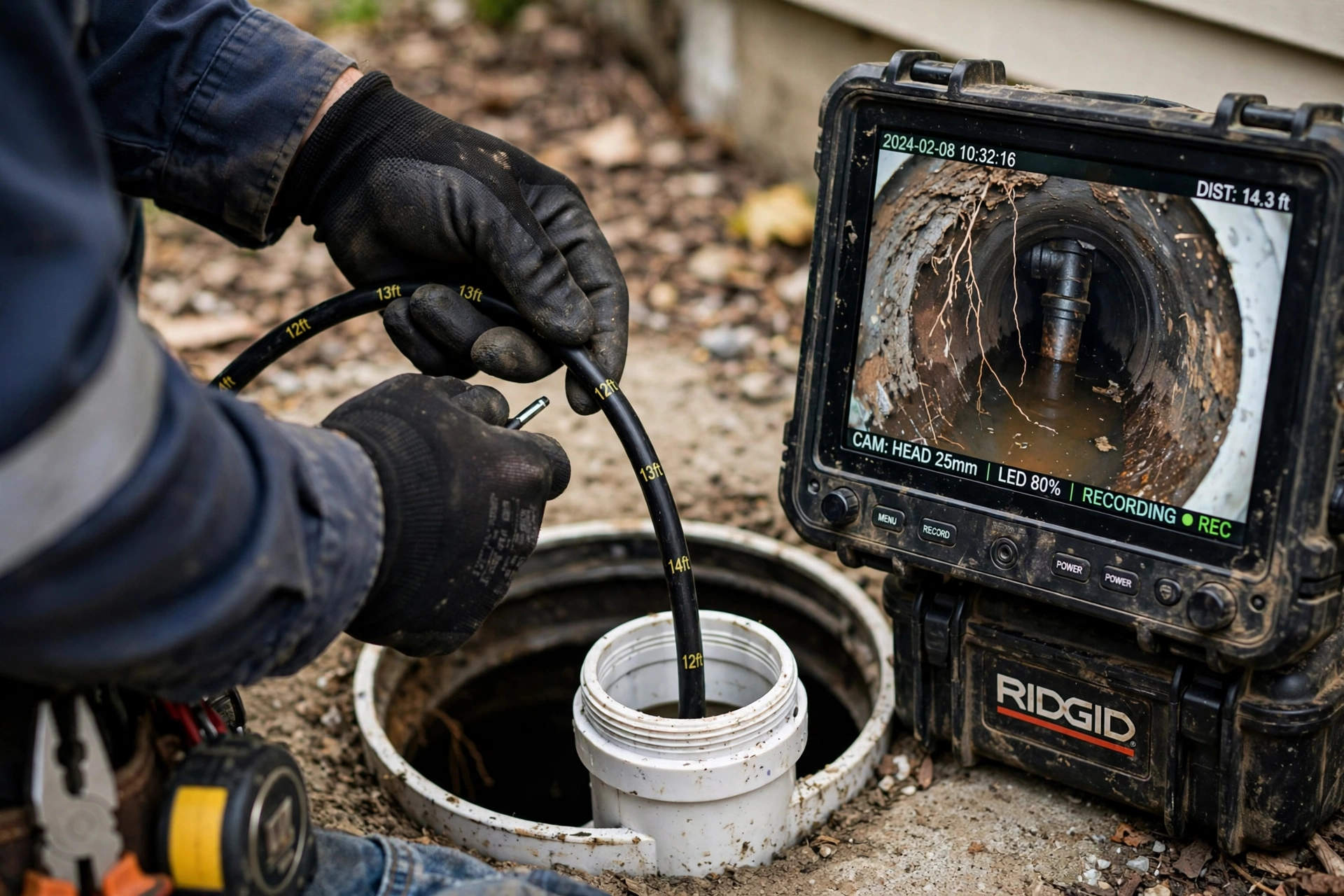
Camera inspection revealing a failing sewer line interior

Sewer lines rarely fail without warning. They send signals for months — sometimes years — before the big backup. The trouble is that most homeowners don't recognize the signs until sewage is on the basement floor. Here are the seven warnings worth acting on.

1. Multiple drains backing up at once

One slow sink is a local clog. When the tub, toilet, and basement floor drain all misbehave together, the problem is in the main line they share — your sewer lateral.

2. Gurgling sounds from toilets and drains

That glug-glug after a flush is air trapped by a partial blockage. It's the sewer line's way of clearing its throat, and it means flow is restricted somewhere downstream.

3. Sewage odors inside or outside

A healthy sewer line is airtight. If you smell sewage in the basement, near drains, or in the yard, gas is escaping through a crack or a dried-out trap — and cracks let more than gas through.

4. Lush patches of grass

Sewage is fertilizer. A suspiciously green stripe across the lawn, especially along the line's path to the street, often marks a leak feeding the grass from below.

5. Slow drains that keep returning

If snaking or plunging fixes the drain for a few weeks and then it slows again, you're treating a symptom. The underlying cause — roots, scale, a belly — is still there.

6. Water backing up in odd places

Flush the upstairs toilet and water rises in the basement shower? That's a main-line restriction pushing water to the lowest open fixture.

7. Foundation cracks or settling soil

A leaking lateral erodes the soil around it. Over time that shows up as settled ground over the line's path or new cracks near the foundation.

What to do if you spot these signs

Don't wait for the backup. A camera inspection — typically $150–$400 — shows exactly what's happening inside the line, and catching a crack early can mean a spot repair instead of a full replacement. Call (833) 713-2101 and we'll take a look before a warning becomes an emergency.

Need Help With Your Sewer Line?

Free consultation · Upfront pricing · Buffalo Grove & nearby suburbs

Call (833) 713-2101

Get Your Free Estimate Today

Questions about your sewer line in Buffalo Grove? Talk to a specialist now.

Free ConsultationSame-Day ServiceExpert Technicians
Get Free Estimate
(833) 713-2101
📞 Call (833) 713-2101

Sewer Line Easements: What Homeowners Need to Know

Sewer Line Easements: What Homeowners Need to Know

Sewer laterals do not always stay on your property. Easements grant legal access across land you do not own — and they matter enormously when repairs are needed.

What a Sewer Easement Is

An easement is a recorded legal right to use part of another property for a specific purpose — here, a sewer line. Common in Buffalo Grove neighborhoods where laterals run to a rear main, or where suburban developments from the 1970s onward means lines were routed for engineering convenience rather than property lines. The easement is typically recorded on the property deed and transfers with ownership.

Who Pays for Repairs in an Easement?

Generally, the property owner served by the lateral pays for its repair and maintenance — even the portion crossing someone else's land. The easement grants you access to do the work, but not a free ride on costs. However, if multiple properties share a line (common in older multi-family conversions), responsibility may be shared — check the easement language and local ordinances.

Access Rights and Neighbor Relations

A recorded easement gives your contractor the legal right to enter the burdened property to repair the line. In practice, notifying the neighbor well in advance and agreeing on restoration keeps things civil. Trenchless methods are a diplomatic advantage here: pipe bursting or lining through an easement disturbs far less of the neighbor's yard than open-cut excavation.

Finding Your Easements

Check your property deed and title report — easements are recorded there. Your municipality may also have easement maps. If a sewer problem arises and you suspect the line leaves your property, a camera locate combined with a deed review clarifies the situation before work begins.

Common Mistakes Homeowners Make

The biggest mistake is ignoring early warning signs. A slow drain that clears with plunging feels resolved, but if the underlying cause is root intrusion or a developing belly, the problem returns worse each time. Another frequent error is hiring based on price alone — the cheapest quote often skips the camera inspection, meaning the contractor is guessing at the problem. In Buffalo Grove, where dense clay and deep-freeze winters create specific failure patterns, local experience matters more than a low bid.

Homeowners also err by flushing so-called "flushable" wipes, pouring grease down kitchen drains, or planting thirsty trees directly over the lateral path. Each of these shortens the line's life measurably. A little prevention — knowing where your lateral runs, keeping wipes out, and scheduling periodic inspections — avoids most emergencies.

Frequently Asked Questions

How do I know if my Buffalo Grove home needs this service?

Watch for the classic indicators: recurring slow drains, gurgling sounds, sewage odors, or unusually lush patches in the yard. If your home has suburban developments from the 1970s onward, a camera inspection is the definitive way to assess the lateral's condition rather than guessing.

Can I handle this as a DIY project?

Minor maintenance like keeping drains clear of grease is fine for homeowners. But anything involving the main lateral — inspection, cleaning with professional equipment, or repair — requires licensed professionals with specialized tools. Mistakes on a sewer lateral can create health hazards and expensive damage.

How long does the work typically take?

Most diagnostic visits and cleanings complete in a few hours. Trenchless repairs usually finish in one to two days. Full replacements depend on length and method but rarely exceed a week for residential properties in Buffalo Grove.

Will my yard be torn up?

Not necessarily. Trenchless methods were developed specifically to avoid excavation. Even when some digging is needed, professional crews restore the surface afterward. Ask your contractor exactly what restoration is included before work begins.

How do I choose the right contractor in Buffalo Grove?

Verify licensing and insurance, read local reviews, and insist on a camera inspection before accepting a repair quote. A reputable contractor explains your options — including doing nothing yet, if the line is sound — rather than pressuring an immediate decision. Call (833) 713-2101 for an honest evaluation.

Disputes and Complications

Key Takeaways for Buffalo Grove Homeowners

  • Do not ignore early warning signs — small sewer issues become expensive emergencies when neglected, especially with dense clay and deep-freeze winters accelerating deterioration.
  • Always get a camera inspection before authorizing major work; video evidence protects you from unnecessary repairs and helps you compare quotes fairly.
  • Ask every contractor about trenchless options — in Buffalo Grove, where suburban developments from the 1970s onward, minimally invasive methods often save both money and landscaping.
  • Keep records of all inspections, cleanings, and repairs; documentation helps with insurance claims, property sales, and warranty enforcement.
  • Build a relationship with a trusted local sewer specialist before an emergency strikes — having a known, reliable number saves panic-driven decisions at 2 AM.

Your sewer lateral is out of sight, but it should not be out of mind. Proactive attention — a periodic inspection, mindful drain habits, and prompt response to warning signs — keeps this critical system working quietly for decades. If you have questions about your Buffalo Grove sewer line or want a professional assessment, call (833) 713-2101 today.

Unrecorded "handshake" easements, lines installed before current ownership, and unclear maintenance splits cause most disputes. When in doubt, a real estate attorney's review of the deed language is worthwhile before a major project. For the technical side — locating your lateral and planning the least disruptive repair in Buffalo Grove — call (833) 713-2101.

Need help with your sewer line in Buffalo Grove? Our team provides honest diagnostics and lasting repairs. Call (833) 713-2101 today.

YPE html> Sewer Line Easements: What Homeowners Need to Know | Buffalo Grove Sewer Experts
| Buffalo Grove, IL| Licensed Insured Team| 24/7 Emergency Line

Home » Blog » 7 Warning Signs Your Sewer Line Is Failing

7 Warning Signs Your Sewer Line Is Failing

By Sewer Line Repair Specialists · September 2026 · Buffalo Grove, IL

Camera inspection revealing a failing sewer line interior

Sewer lines rarely fail without warning. They send signals for months — sometimes years — before the big backup. The trouble is that most homeowners don't recognize the signs until sewage is on the basement floor. Here are the seven warnings worth acting on.

1. Multiple drains backing up at once

One slow sink is a local clog. When the tub, toilet, and basement floor drain all misbehave together, the problem is in the main line they share — your sewer lateral.

2. Gurgling sounds from toilets and drains

That glug-glug after a flush is air trapped by a partial blockage. It's the sewer line's way of clearing its throat, and it means flow is restricted somewhere downstream.

3. Sewage odors inside or outside

A healthy sewer line is airtight. If you smell sewage in the basement, near drains, or in the yard, gas is escaping through a crack or a dried-out trap — and cracks let more than gas through.

4. Lush patches of grass

Sewage is fertilizer. A suspiciously green stripe across the lawn, especially along the line's path to the street, often marks a leak feeding the grass from below.

5. Slow drains that keep returning

If snaking or plunging fixes the drain for a few weeks and then it slows again, you're treating a symptom. The underlying cause — roots, scale, a belly — is still there.

6. Water backing up in odd places

Flush the upstairs toilet and water rises in the basement shower? That's a main-line restriction pushing water to the lowest open fixture.

7. Foundation cracks or settling soil

A leaking lateral erodes the soil around it. Over time that shows up as settled ground over the line's path or new cracks near the foundation.

What to do if you spot these signs

Don't wait for the backup. A camera inspection — typically $150–$400 — shows exactly what's happening inside the line, and catching a crack early can mean a spot repair instead of a full replacement. Call (833) 713-2101 and we'll take a look before a warning becomes an emergency.

Need Help With Your Sewer Line?

Free consultation · Upfront pricing · Buffalo Grove & nearby suburbs

Call (833) 713-2101

Get Your Free Estimate Today

Questions about your sewer line in Buffalo Grove? Talk to a specialist now.

Free ConsultationSame-Day ServiceExpert Technicians
Get Free Estimate
(833) 713-2101
📞 Call (833) 713-2101