
Sewer Maintenance Plans, Explained
A sewer maintenance plan turns reactive emergencies into scheduled routine. Here is what plans typically include, who they suit, and how to judge one.
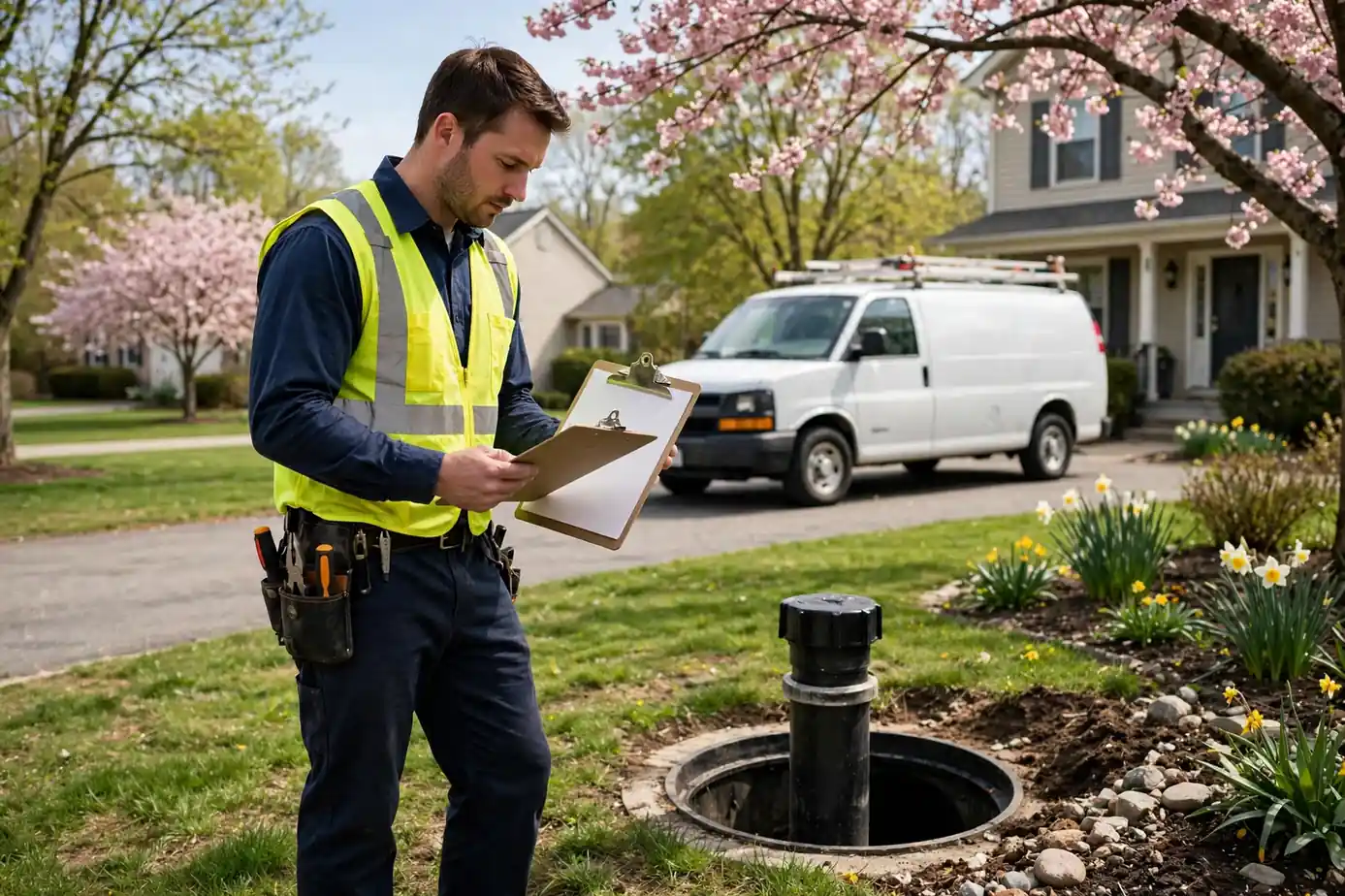
In short: A sewer maintenance plan in Buffalo Grove, IL typically bundles scheduled camera inspections, preventive cleaning or jetting, and root treatment into a yearly routine — valuable for older lines, root-prone lots, and commercial buildings. Call (833) 713-2101 to discuss whether one fits your property.
Dentists sell cleanings twice a year; HVAC companies sell tune-ups every fall. Sewer maintenance plans apply the same logic underground: instead of waiting for a backup to force an emergency visit, you put the line on a schedule — inspection, cleaning, root treatment — and catch problems while they are small and cheap. The question homeowners ask is the fair one: is it worth it, or is it a subscription in search of a problem?
The honest answer is that it depends on the line. For a 1975 clay-tile lateral under mature maples, a maintenance plan is cheap insurance against expensive emergencies. For a 2015 PVC lateral with no history, it is probably unnecessary. This guide explains what plans typically include, who benefits most, the red flags that mark a bad plan, and how to evaluate one for your Buffalo Grove property.
What a maintenance plan typically includes
Most residential sewer maintenance plans bundle three services on a yearly cycle. First, a camera inspection — usually annually or every other year — that tracks the line's condition over time; the trend across inspections is the real product here, showing whether roots, scale, or joint separation are stable or progressing. Second, preventive cleaning: mechanical root cutting or hydro jetting on a schedule matched to what the camera shows, rather than waiting for a blockage to force it.
Third, root treatment between mechanical cleanings for lines with known intrusion — foaming treatments applied through the cleanout that discourage regrowth at the joints. Good plans also include priority scheduling (your maintenance visit bumps non-emergencies), priority emergency response if something happens anyway, and documentation: inspection footage and service records kept on file, which become a selling point at resale and evidence of diligence for insurers. What plans do not include is repair work itself — lining, bursting, and excavation are separate projects, though plan members typically get preferred scheduling and transparent quotes for them.
Who benefits most
Three profiles get the most value. First, owners of older lines: pre-1980 clay tile, cast iron, or Orangeburg laterals, where the failure modes (roots, scale, joint separation) are progressive and manageable when caught early. A plan converts 'wait for the backup' into 'stay ahead of the deterioration,' which is exactly the right posture for aging pipe. Second, properties with mature trees over the lateral — much of Buffalo Grove's older housing stock — where root intrusion is not a question of if but when, and scheduled cutting beats emergency clearing every time.
Third, commercial and multi-unit properties, where a backup affects tenants, customers, or operations rather than just one household's evening. For these buildings, the plan's documentation and predictable scheduling have business value beyond the plumbing: maintenance records for lenders and insurers, service timed around business hours, and no 2 a.m. tenant emergencies. If your property fits none of these profiles — newer PVC line, no trees, no history — a plan is a harder sell, and an honest provider will tell you so.
Red flags in a bad plan
Not all plans are created equal, and the bad ones share tells. The biggest: a plan that never includes camera inspection — 'maintenance' without ever looking at the line is just scheduled snaking, and it cannot track whether the line is stable or deteriorating. A plan should be evidence-driven; without footage, it is a subscription, not a strategy. Second, plans that lock you into long terms with steep cancellation penalties, or that auto-renew without clear notice — reputable providers earn renewal with results, not contracts.
Third, beware the plan that is really a sales funnel: every visit 'discovers' an urgent major repair, with pressure to sign on the spot. Maintenance visits should mostly find boring, stable lines — that is the point. Fourth, vague scope: 'drain maintenance' that does not specify which services, how often, and what is excluded. A real plan names the services (camera every X, jetting every Y), the response commitments, and the exclusions in writing. If the provider cannot describe the plan precisely, they cannot deliver it precisely either.
How to evaluate a plan for your property
Start with knowledge: get a camera inspection first, ideally before signing anything. The footage tells you whether your line needs scheduled attention at all — a clean PVC line needs no plan, a root-prone clay line probably does. Then match the plan's services to the footage: root cutting intervals for root intrusion, jetting intervals for grease or scale, inspection frequency for lines being watched. A plan whose services do not map to your line's actual condition is selling you someone else's routine.
Then evaluate the provider the way you would for any contractor: how long they have served the area, whether they show you footage and explain findings, whether their emergency response is genuinely available, and what current customers say about scheduling reliability. Ask what happens when a maintenance visit finds a real problem — the answer should be documentation, options, and no pressure. And compare the plan against pay-per-visit: if the plan's annual scope matches what you would sensibly schedule anyway, the plan's value is the priority scheduling, documentation, and the discipline of it actually happening.
The DIY question
Some maintenance is genuinely yours: watching what goes down drains, keeping the cleanout accessible, walking the lateral's path each spring, running water through unused fixtures. No plan replaces household habits — a maintenance visit cannot compensate for a steady diet of grease and wipes. Think of the plan as the professional layer on top of your own habits, not a substitute for them.
What you cannot DIY is the inside of the pipe. No consumer product replicates a camera inspection, a powered root cutter, or a hydro jetter, and the chemical shortcuts sold for roots and blockages range from ineffective to pipe-damaging. The division of labor is clean: you handle the habits and the watching; the plan handles the pipe. Together, they are what 'maintained' actually means — and a maintained line is a line that fails on your schedule, if it fails at all, rather than on its own.
Frequently Asked Questions
Are sewer maintenance plans worth it for newer homes?
Usually not as a standing plan. A post-2000 PVC lateral with no trees overhead and no history has little that scheduled servicing would accomplish — an inspection every few years is sufficient. Save the plan for when the line ages into needing one, or when conditions change (mature trees, a finished basement raising the stakes). An honest provider will say the same.
What is the difference between a maintenance plan and a service contract?
In practice the terms overlap, but 'maintenance plan' usually means scheduled preventive services (inspections, cleaning) while 'service contract' sometimes emphasizes priority response and bundled visit pricing. Read the actual scope rather than the label: what services, how often, what is excluded, and what happens at renewal. The document matters more than the name.
Can I cancel a maintenance plan if I sell my house?
Most reputable plans are cancellable with notice, and some transfer to the new owner — which can be a modest selling point, since it hands the buyer a maintained line with documentation. Check the cancellation and transfer terms before signing; avoid plans with long lock-ins or transfer fees that exceed the plan's remaining value.
Do maintenance plans cover the actual repair if something breaks?
Typically no — plans cover preventive services (inspection, cleaning, root treatment), not repairs like lining, bursting, or excavation. Think of it like a dental cleaning plan: it covers the cleanings and exams that catch cavities early, not the root canal. The plan's value is in prevention, early detection, and priority scheduling when repair is needed.
Sewer Line Problems Don’t Wait. Neither Should You.
Call now and reach a local sewer line specialist serving Buffalo Grove, IL and nearby northwest suburbs — 24/7.
(833) 713-2101Free to call · No obligation · 24/7 emergency line